Projects
.js-id-Featured




BEDICT models
Predicting base editing efficiencies in both lab cells and living models


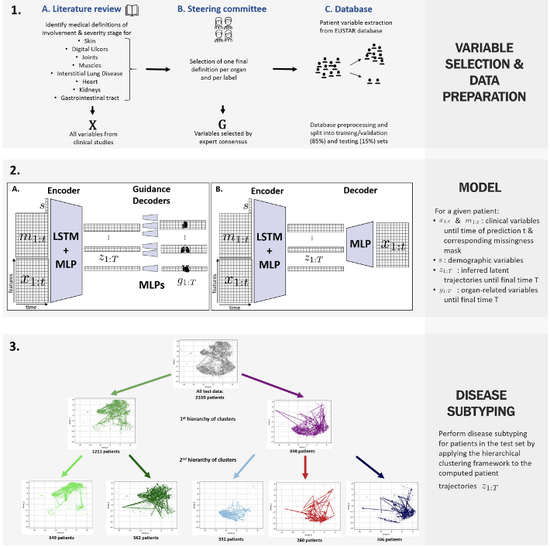
Systemic Sclerosis Subtype Analysis
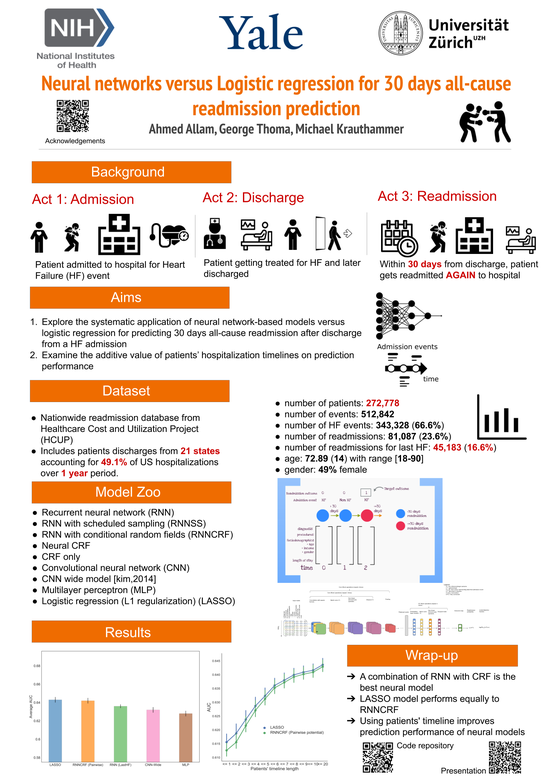
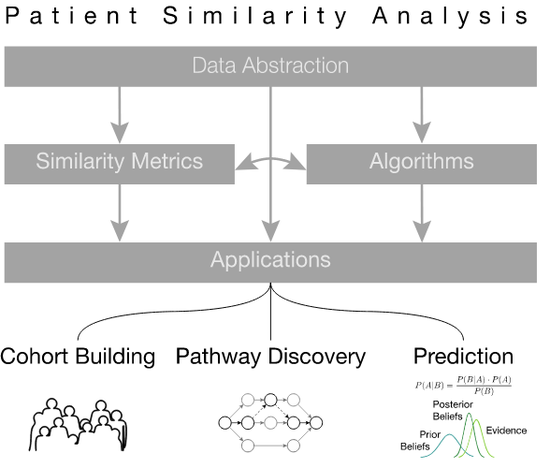
Generative DL models patient trajectories

Alignment in Spoken Interaction
Studying how conversational coordination shapes meaning in human and machine communication
Data-driven psychiatry
Modeling speech and behavior to support mental health research and assessment
Modeling Spoken Language Beyond Text
Audio-first approaches to understanding language directly from speech
Protein Design
Generative AI for protein fitness optimization


MRIdle
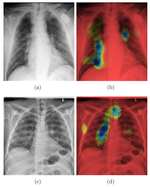
Helping reduce idle time in the USZ Radiology department